Colour Psychology in Kidswear: What Shades Say About Their Personality and Mood
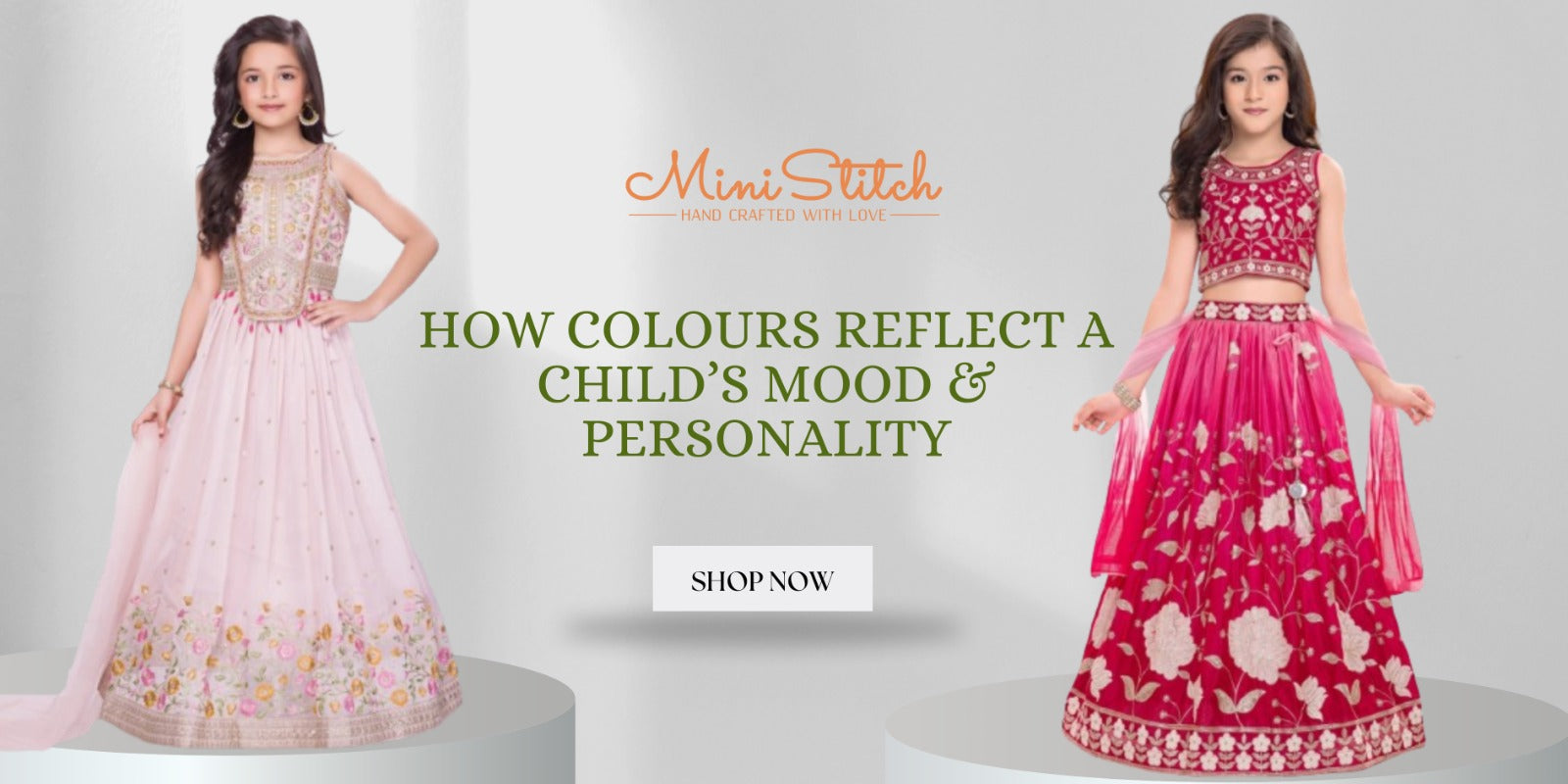
Children express themselves in many ways through play, imagination, and even the clothes they wear. Every outfit carries more than visual appeal. Colours influence emotions, behaviour, and how a child feels throughout the day. From vibrant party frocks to soothing everyday wear, colour psychology in kidswear plays an important role in shaping mood and personality.
In this guide, we explore what colours say about a child’s personality and mood, and how parents can use these insights when choosing kids’ clothing.
Understanding Colour Psychology in Kids Clothes
Colour psychology in kids’ clothes refers to how different shades influence emotional responses and behaviour in children. Early childhood is a critical stage of emotional and cognitive development. While children may not consciously explain their preferences, colours subtly affect how they feel, interact, and respond to their environment.
Research in colour psychology suggests that warm colours such as red and yellow encourage energy and excitement, while cool colours like blue and green promote calmness and focus. Neutral and pastel tones offer balance and comfort, making them ideal for everyday wear.
Understanding how colours influence mood in children allows parents to make thoughtful clothing choices that support emotional well-being.
Why Colour Psychology in Kidswear Matters
Choosing colours in kidswear is not only about style. It directly impacts confidence, comfort, and emotional regulation. Cheerful colours can uplift a child’s mood, while softer tones can help soothe an overstimulated mind.
This becomes especially important during school days, festive occasions, family events, and bedtime routines.
For instance, collections from MiniStitch feature a wide spectrum of hues across girls’ party frocks, ball gowns, kurta sets, and boys’ co-ord sets. These colour choices are intentional, balancing comfort, personality expression, and emotional needs.
How Colours Reflect Personality and Mood
Red: Energy, Confidence and Passion
Red is bold and stimulating. It reflects confidence, enthusiasm, and a love for activity. Red tones work well for festive occasions, performances, and playdates where high energy is welcome. Used in moderation, red can be an excellent accent colour without causing overstimulation.
Blue: Calm, Trust and Focus
Blue is widely known for its calming influence. It promotes peace, security, and concentration. Lighter shades of blue are ideal for schoolwear, casual outfits, and nightwear, helping children feel relaxed and focused.
Yellow: Happiness, Creativity and Positivity
Yellow represents joy and curiosity. It encourages creativity, optimism, and playfulness. Yellow outfits can uplift mood and are particularly popular for daytime events and celebrations.
Green: Balance, Growth and Harmony
Green is associated with nature and emotional balance. It promotes stability and comfort, making it ideal for everyday wear and outdoor activities. Green shades help children feel grounded and relaxed.
Purple: Imagination and Individuality
Purple stimulates creativity and self-expression. It is often chosen by children who enjoy storytelling, art, and imaginative play. Purple outfits help highlight individuality and a sense of wonder.
White and Neutrals: Simplicity, Calm and Elegance
Neutral shades such as white, beige, and cream represent calmness and balance. They are versatile, timeless, and suitable for layering. These colours work well for formal occasions and minimalist wardrobes.
Black: Confidence and Style
Although not traditionally associated with kidswear, black can be stylish and confident when used thoughtfully. It is often seen in party jackets or formal sets and adds structure and elegance to special occasion outfits.
Best Colours for Kids’ Fashion by Occasion
Everyday Playtime
Soft pastels like mint green, peach, and sky blue
Neutral shades such as beige, cream, and light grey
These colours reduce visual strain and keep children comfortable during active play.
Parties and Festivals
Bright hues like yellow, red, and purple
Multi-colour combinations and statement prints
Festive occasions call for expressive colours that enhance excitement and celebration.
School and Focused Activities
Blues and greens
These shades promote calmness and concentration, making them ideal for schoolwear and structured routines.
Bedtime and Relaxation
Soft blues, whites, and neutral tones
These colours support winding down and help establish a peaceful bedtime environment.
Wardrobe Care Tips to Preserve Colour and Comfort
Folding and Storage
Fold garments along natural seams to maintain shape
Store similar colours together to prevent colour transfer
Use soft tissue paper between delicate or bright outfits
Managing Humidity
Children’s clothes made from cotton and muslin fabrics should be stored in cool, dry spaces. Excess humidity can dull colours and weaken fibres. Silica packs or wardrobe dehumidifiers help preserve fabric quality.
Accessories and Complete Looks
Accessories can enhance colour psychology when chosen thoughtfully. Pastel headbands support calm tones, while bright clips and bows complement energetic colours. Well-curated accessories complete the look while reinforcing mood and personality.
FAQs on Colour Psychology in Kidswear
Q1. What is colour psychology in kids’ clothes?
It refers to how colours in children’s clothing influence emotions, behaviour, and self-expression.
Q2. What are the best colours for kids’ fashion?
Soft pastels, blues, greens, and cheerful yellows are among the best choices, balancing comfort, playfulness, and versatility.
Q3. What do girls’ frock colours indicate?
Lavender often reflects creativity, yellow conveys joy, and pastel blues promote calmness. Each colour subtly shapes mood and personality.
Conclusion
Understanding Colour Psychology in Kidswear helps parents make intentional and meaningful clothing choices. Colours are more than design elements. They influence emotions, confidence, and daily behaviour. From cheerful yellows that uplift mood to calming blues that encourage focus, every shade communicates something unique.
By applying colour psychology in kids’ fashion, parents can support emotional well-being while keeping their children comfortable and stylish. When paired with proper care practices such as correct folding, humidity control, and thoughtful accessorising, these outfits remain vibrant and long-lasting.
Choosing the right colours ensures children feel confident, comfortable, and ready for every moment, whether it is playtime, school, or a special celebration.
- Posted in affordable kids fashion, affordable luxury kidswear, birthday dress ideas, Birthday Frocks, Boys & Girls Clothing, children’s celebration outfits, Colour Psychology in Kidswear, Dress for Kids, DressUpWithMiniStitch, ethnic kids fashion, EthnicWearForKids, Fabric for Kids Dresses, FashionForKids, Festive dressing for kids, Girls' Fashion, Mini Festive Wardrobe, MiniStitch collection, MiniStitch dresses, MiniStitch festive wear, MiniStitch Kids Collection, MiniStitch party wear, Personality for kidswear