
How to Build a Practical Wardrobe for Your Child
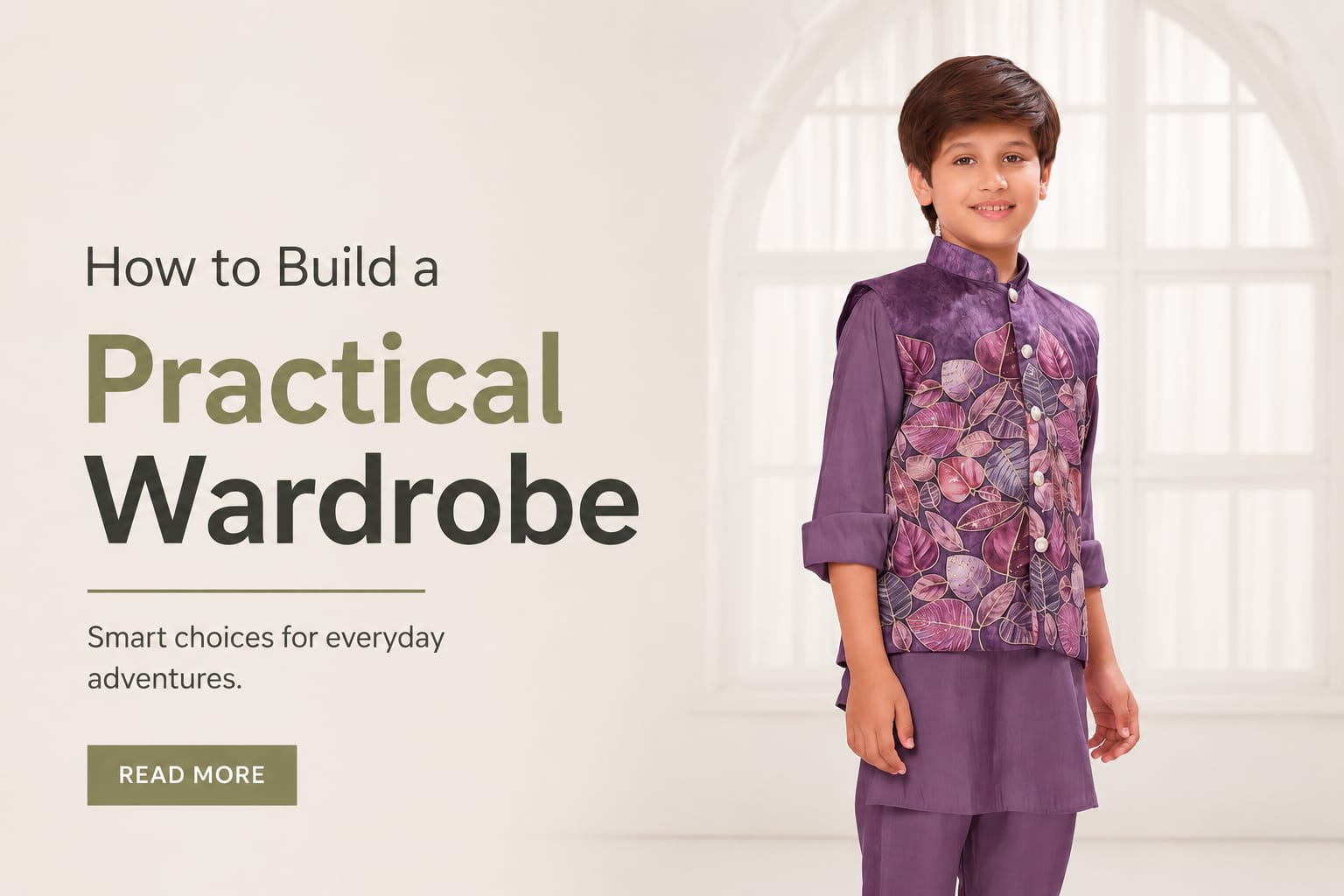
How to Build a Practical Wardrobe for Your Child
As parents, build a wardrobe for your child can often feel overwhelming. Between growth spurts, changing seasons, school activities, playdates, and special occasions, it’s easy to end up with a closet full of clothes but nothing that truly works.
A practical wardrobe isn't about having more clothes, it's about having the right clothes. The goal is to create a collection of comfortable, versatile, and durable pieces that make dressing your child easier every day.
Start with Everyday Essentials
The foundation of a practical kids' wardrobe should always be comfortable everyday wear. Look for breathable fabrics such as cotton that allow children to move, play, and explore freely throughout the day. Some wardrobe essentials include:
· Comfortable t-shirts and tops
· Soft shorts and leggings
· Everyday dresses
· Joggers and trousers
· Lightweight layering pieces
· Sleepwear and innerwear
When shopping for comfortable kidswear, prioritize softness, ease of movement, and skin-friendly fabrics.
Choose Versatile Clothing Pieces
One of the easiest ways to build a functional wardrobe is by selecting pieces that can be mixed and matched. Neutral bottoms paired with printed tops, or solid-colored tops paired with statement bottoms, create multiple outfit combinations without requiring a large number of clothes. Investing in versatile kids clothing helps reduce clutter while ensuring your child always has something suitable to wear.
Prioritize Comfort Over Trends
While trendy outfits can be fun, comfort should always come first, especially for younger children. Children spend most of their day running, playing, climbing, and learning. Clothes that are restrictive, itchy, or difficult to wear can impact their comfort and confidence.
When choosing children's clothing, look for:
· Soft and breathable fabrics
· Easy closures and elastic waistbands
· Lightweight construction
· Durable stitching
A comfortable child is always a happier child.
Build Around Different Occasions
A practical wardrobe should include outfits for various moments in your child's life.
Everyday Wear
Comfortable outfits for school, playtime, and daily activities.
Occasion Wear
A few thoughtfully selected outfits for birthdays, weddings, festive celebrations, and family gatherings.
Seasonal Essentials
Layering pieces, jackets, sweaters, and weather-appropriate clothing that can be added as needed. Having a balance between everyday kidswear and occasion outfits ensures your child is prepared for every event without overbuying.
Buy Quality Over Quantity
Children outgrow clothes quickly, but that doesn't mean quality should be compromised. Well-made garments tend to:
· Last longer
· Stay comfortable after multiple washes
· Retain their shape and color
· Be handed down to younger siblings
Choosing premium kids clothing made from quality fabrics often proves more economical in the long run than repeatedly replacing poorly made garments.
Leave Room for Growth
Children grow faster than we expect. While it's not necessary to buy excessively oversized clothes, selecting pieces with a little room to grow can help maximize wearability.
Adjustable waistbands, relaxed silhouettes, and versatile fits can extend the life of a garment while keeping your child comfortable.
Keep Your Child's Personality in Mind
A wardrobe should reflect your child's interests and personality. Whether they love bright colors, playful prints, vehicles, animals, florals, or classic styles, including pieces they genuinely enjoy encourages independence and excitement around getting dressed.
The best kids fashion is the kind that lets children feel comfortable, confident, and uniquely themselves.
FAQs
1. How many clothes should a child have in their wardrobe?
The ideal number depends on age, lifestyle, and laundry frequency. Generally, having enough everyday outfits for 7–10 days, along with a few occasion outfits and seasonal layers, works well for most families.
2. What fabrics are best for children's clothing?
Soft, breathable fabrics like cotton are among the best choices for children's clothing as they provide comfort, durability, and ease of movement.
3. How can I make my child's wardrobe more versatile?
Choose mix-and-match pieces in complementary colors and invest in basics that can be styled in multiple ways for different occasions.
4. How often should I update my child's wardrobe?
Review your child's wardrobe every season or every few months to accommodate growth, changing weather, and evolving needs.
5. Is it better to buy more clothes or higher-quality clothes?
In most cases, buying fewer but higher-quality garments is more practical. Quality clothing lasts longer, remains comfortable after repeated washes, and offers better value over time.
Conclusion
Building a practical wardrobe for your child is all about finding the right balance between comfort, versatility, durability, and style. By focusing on everyday essentials, choosing quality fabrics, and investing in mix-and-match pieces, you can create a wardrobe that simplifies daily dressing while supporting your child's active lifestyle.
Remember, the most successful wardrobe isn't the biggest one, it's the one that works effortlessly for both parents and children.
- Posted in children's clothing guide, comfortable clothes for kids, everyday outfits for kids, kids fashion tips, kids wardrobe essentials, MiniStich premium kids outfits, MiniStitch baby clothing, MiniStitch Fashion, practical wardrobe for child, Smart Clothing Choices for Kids